Category Archives: Education

May 7, 1848: English Public Health Act

safedrinkingwaterdotcom's avatarThis Day in Water History

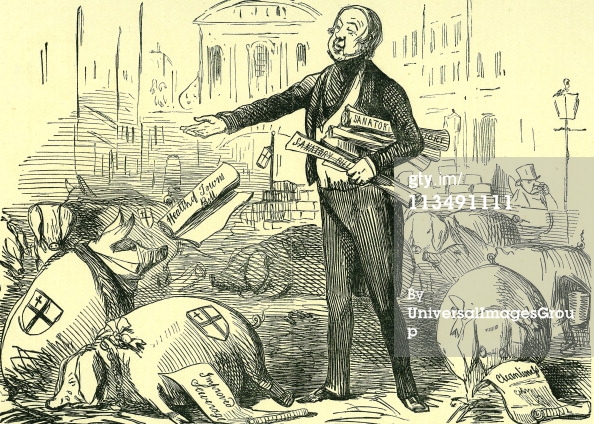
Public Health Act of 1848 Public Health Act of 1848

May 7, 1848:  “Public Health Act is passed by a reluctant Parliament fearful of spread of cholera. National Board of Health is formed and leads local boards to regulate water supply, sewerage, offensive trades.”

“The first local boards [of health] were created under the Public Health Act 1848 (11 & 12 Vict. c.63). The aim of the act was to improve the sanitary condition of towns and populous places in England and Wales by placing the supply of water, sewerage, drainage, cleansing and paving under a single local body. The act could be applied to any place in England and Wales except the City of London and some other areas in the Metropolis already under the control of sewer commissioners. The Act was passed by the incoming Liberal government, under Prime Minister Lord John Russell, in response to urgings by Edwin Chadwick.”

View original post

May 5, 1858: Birth of Dr. John L. Leal- a Hero Of Public Health

safedrinkingwaterdotcom's avatarThis Day in Water History

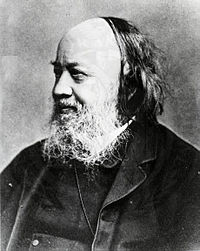
Dr. John L. Leal Dr. John L. Leal

May 5, 1858: 156th anniversary of the birth of John L. Leal, physician and water treatment expert who pioneered chlorine disinfection in the U.S. There are many unsung heroes who contributed significantly to public health at the turn of the 20th century. John L. Leal is one of them and after reading this, I think you will agree that he did more than most to save people’s lives.

John L. Leal was born in the small town of Andes, New York on May 5, 1858. His father, John Rose Leal was a physician who joined the 144th Regiment, New York Volunteers and fought in the Civil War. During the siege of Charleston, South Carolina, John Rose Leal contracted what was most likely a case of amoebic dysentery from contaminated drinking water. He suffered from the disease for more than 17 years before he finally…

View original post 1,639 more words

A fitting sentiment to close Earth Week

Water is the lifeblood of civilization. Water is water, not waste.
Protect this precious resource.
SANY0136
Best Regards,
Sam Lines, MBA. WasteWater Education Board of Directors.
Concrete Sealants, Inc.

April 25, 1926: New York Harbor a Menace to Health

safedrinkingwaterdotcom's avatarThis Day in Water History

0425 New York Harbor

April 25, 1926:  New York Times headline—Harbor Sewage Called a Menace to Health. “State Legislature Urged to Take Action to Halt Pollution of New York Waters — Many Cities Pour Their Raw Waste Into the Bay. A report just submitted to the Legislature of New York urges drastic action to protect the City of New York against the menace to health arising from the pollution of the harbor and near-by bathing beaches, not only by New York but by other cities and States. Dr. George W. Soper who was Director of the Metropolitan Sewerage Commission stated that every day, 940 million gallons of sewage per day were poured into the harbor every day. He called the situation a ‘direct offense upon the sense of decency…a constant menace to health.’”

View original post

What Earth Day means to me: Dendra Best

What Earth Day means to me. More …..

Dendra Best. Executive Director WasteWater Education 501(c)3

I am taking an online course from the University of Bath about sustainability and the question was posed, what motivates someone to be environmentally aware/responsible?

What Earth Day means to me: Christie Cook

Earth Day’s Remembered  –  … More 

ccookMy first recognition about the impact of pollution on the environment hit me when I was a first Grade student living in rural Arkansas.

April 23, 1890: General Federation of Women’s Clubs Founded

Another fine example of how we advocated for Earth Day before there even WAS one!
Kudos today to the League of Women Voters who are continuing the mission to preserve our environment for ALL our futures.

safedrinkingwaterdotcom's avatarThis Day in Water History

0423 General Federation of Womens ClubsApril 23, 1890:General Federation of Women’s Clubs founded in the US; conservation and “ecology” among top priorities. Over a million women participated directly in reform efforts during the Progressive era, and the federation developed national committees on forestry, waterways and rivers and harbors. For example, the waterways committee was formed in 1909 to promote water power, clean water and cheaper transportation, according to historian Carolyn Merchant.

“The rationale for women’s involvement [in public health movements] lay in the effect of waterways on every American home: Pure water meant health; impure meant disease and death.” — Carolyn Merchant.

View original post

Be in awe this Earth Day …